25 September 26
- New research highlights why women aged 50-65 leave the workforce earlier than men and outlines actions to strengthen participation and leadership pathways
- Findings highlight the impact of menopause, caregiving responsibilities, burnout, and ageism
- Employers urged to take action to retain experienced women and strengthen future leadership pipelines
Dublin – 25 September 2026 – Balance for Better Business (B4BB) has today published new research revealing that women aged 50-65 are leaving the workforce earlier than men, reducing the pool of experienced talent available for senior leadership and board roles.
The report, ‘Why Women (50-65 years of age) Exit the Workforce Earlier than Men in Later Career Stages: Irish and International Perspective and Policy Recommendations’, identifies a range of factors contributing to an earlier exit from the workforce by women, including menopause, caregiving responsibilities, burnout, workplace ageism, and barriers to career progression.
The report finds that Ireland has a larger participation gap between men and women aged 55-65 than the EU average, despite strong overall workforce participation rates among women. In 2024, labour force participation among women aged 55-65 stood at 62.9%, compared with 78.0% for men, creating a gender participation gap of 15.1%, compared to an EU average gap of 12.4%.
This gap is particularly significant around the 50-65 age cohort, as it coincides with the period when many professionals are reaching senior executive and board-level positions. As experienced women leave the workforce at greater rates than men, organisations risk losing valuable talent and future leadership candidates.
Commenting on the publication of the report, Minister for Enterprise, Tourism and Employment Peter Burke TD, said: “Ireland has made significant progress in increasing gender balance in business leadership, but sustaining that progress requires us to look carefully at every stage of the talent pipeline. This research highlights that many experienced women face barriers which can lead them to leave the workforce earlier than men. By addressing those barriers through supportive workplace policies, greater flexibility, and other supports, we can help ensure that talented women remain active participants in the workforce and continue progressing into leadership positions. This is not only important for gender equality, but for the future competitiveness and resilience of the Irish economy.
The report identifies five key areas to close the gap:
1. Recognise and Support the Caregiving Burden Carried by Women
Caregiving responsibilities continue to fall disproportionately on women, with women accounting for 61% of unpaid carers in Ireland. Many women in later career stages are balancing work alongside caring for children or ageing relatives. Employers should strengthen support for carers through flexible working arrangements, enhanced workplace supports and policies that encourage a more balanced sharing of caregiving responsibilities.
2. Tackle the Combined Impact of Ageism and Gender Bias
Women in later career stages can face a double barrier of ageism and gender bias, limiting progression opportunities and increasing the likelihood of workforce exit. Findings from the report reveal that more than 90% of workers aged over 55 have experienced age-related discrimination. Organisations should strengthen inclusive leadership practices, address bias in recruitment and promotion processes, and ensure experienced women remain visible, valued and supported to progress.
3. Close the late-stage career skills gap
Findings from the report show that participation in workplace training drops significantly among older workers, falling from 41% among those aged 45-55 to just 24% among those aged 55-65. Investing in upskilling initiatives and encouraging engagement with training is crucial to close this gap in later career stages. As organisations adapt to AI-driven transformation and changing skills requirements, ensuring experienced women continue to develop and progress is essential to maintaining competitiveness and balanced leadership.
4. Make Flexible Working a Strategic Advantage
Flexible and hybrid working arrangements can play a critical role in keeping experienced women in the workforce. Rather than viewing flexibility as an accommodation, employers should recognise it as a strategic tool to retain skilled employees, support longer working lives and preserve valuable leadership talent. The report highlights international examples where more flexible career pathways have supported higher workforce participation among older workers.
5. Address Menopause as a Workforce Retention Issue
Menopause is a significant but often overlooked factor in workforce participation. Findings from the report show that 36.3% of women have considered leaving work due to menopause symptoms, while 9.2% have already left employment as a result. Employers should introduce menopause policies, manager training and targeted workplace supports to help retain experienced female talent and prevent avoidable exits from the workforce.
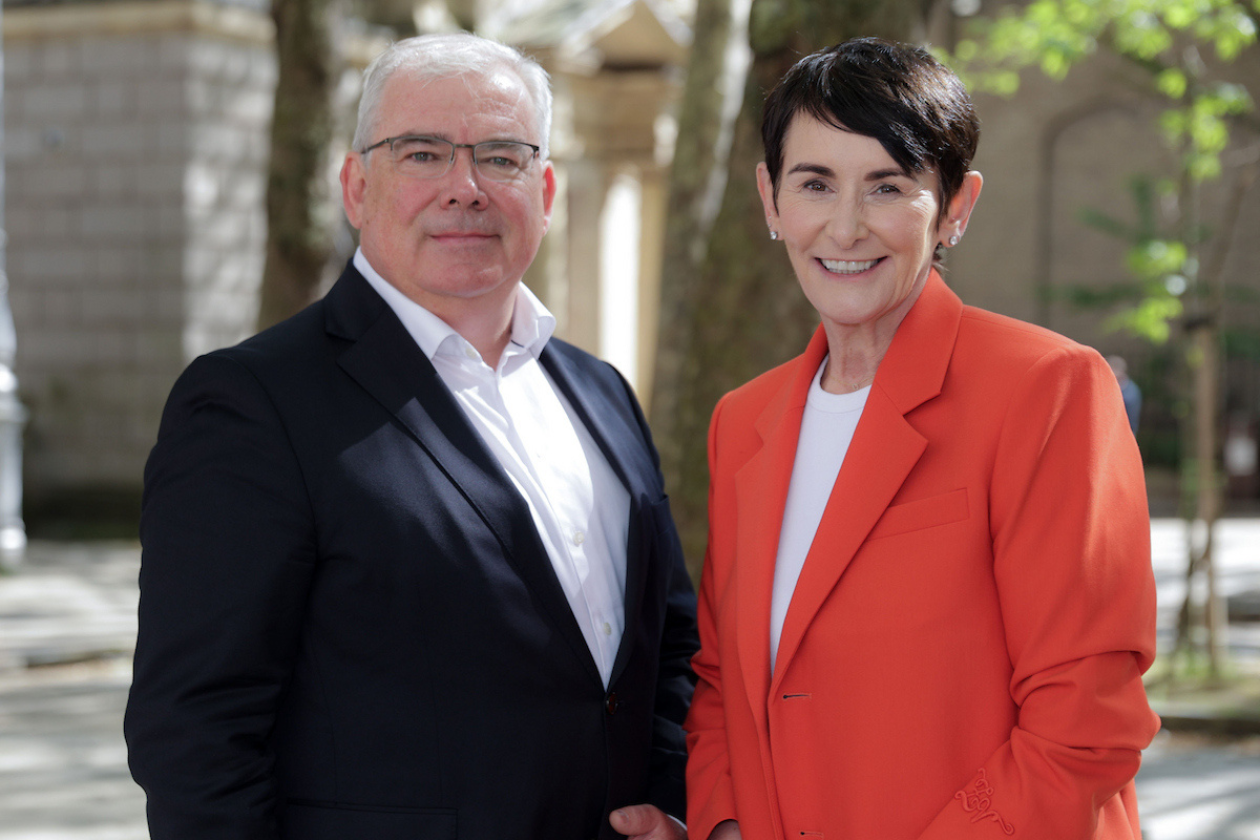
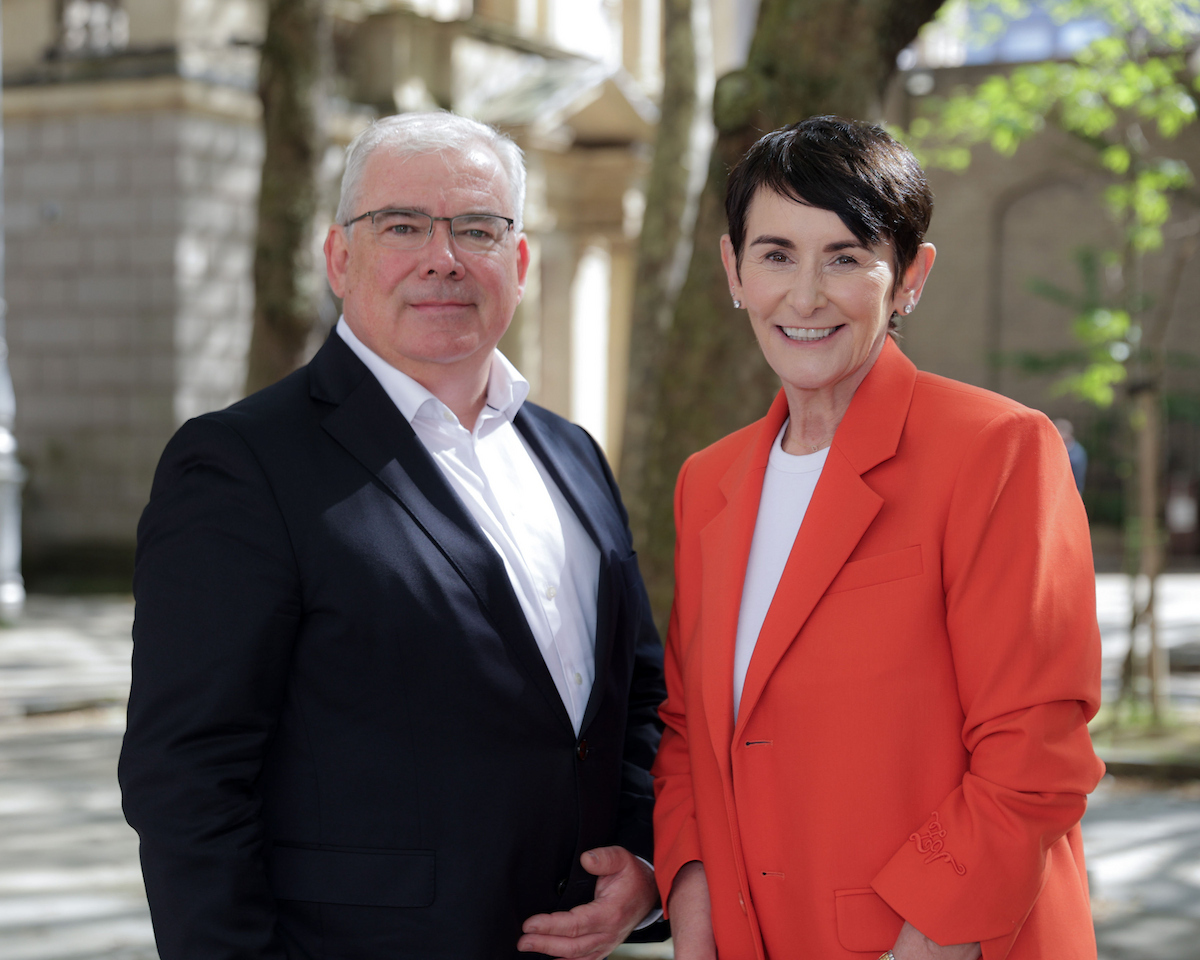
Carolan Lennon, Co-Chair of Balance for Better Business, said: “This report shines a spotlight on an important but often overlooked challenge. Women in their 50s and early 60s represent a highly experienced and skilled segment of Ireland’s workforce, yet too many continue to encounter barriers that make remaining in employment unnecessarily difficult.
Retaining experienced women must be a strategic priority. Doing so is not only essential to achieving balanced leadership, but also to strengthening the competitiveness and future growth of Irish businesses. If we want to achieve balanced leadership, we must ensure that women can thrive and progress throughout every stage of their careers.”
Bernard Byrne, Co-Chair of Balance for Better Business, added: “The earlier exit of so many women from the workforce has implications far beyond individual organisations. It directly impacts the pools of talent needed to have broad and diverse leadership pipelines.
This limitation has a direct knock-on impact on the competitiveness of Irish business. The actions identified in this report are practical and can help employers to make a real difference in retaining a balanced talent pool. Businesses that take action today will be better positioned to attract, retain and develop the diverse leadership talent they future.”